
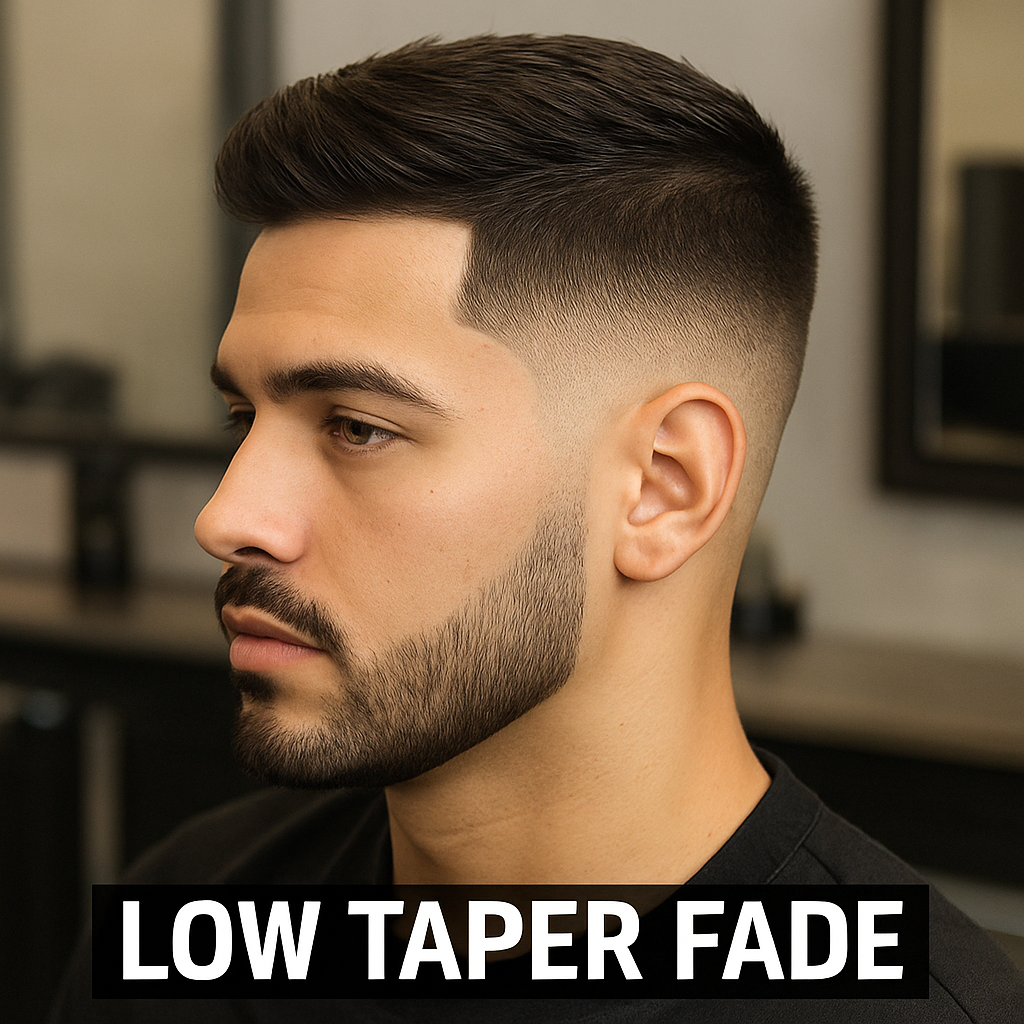
Introduction to the Low Taper Fade
The low taper fade is one of those timeless haircuts that never goes out of style. It’s sharp, versatile, and works for almost every guy regardless of age, profession, or hair type. If you’ve ever wanted a clean, modern haircut that doesn’t scream “trying too hard,” the low taper fade is your answer.
But what makes this haircut so popular? Why is it showing up on athletes, celebrities, and even in professional workplaces? Let’s dive in.
What Is a Low Taper Fade?
At its core, the low taper fade is a haircut where the sides and back gradually get shorter starting just above the ears and neckline. The fade is subtle—lower than mid or high tapers—making it sleek but not too bold.
Think of it as the “gentle fade.” It’s noticeable enough to look stylish but professional enough for work or formal events.
Why It’s One of the Most Popular Haircuts Today
The reason guys love the low taper fade is simple: versatility. You can pair it with almost any hairstyle on top—quiff, pompadour, braids, curly top, or even a simple buzz cut. It gives you the freedom to experiment without losing that neat, polished look.
History and Evolution of the Fade Haircut
The Origin of Fades in the Barbering World
Fade haircuts first gained popularity in the military during the 1940s and 50s. Soldiers wore fades because they were practical, clean, and easy to maintain. After that, barbers brought fades into mainstream culture, adding creativity and style.
How the Low Taper Fade Became a Modern Classic
By the 80s and 90s, fades became a staple in hip-hop culture, with rappers and athletes rocking different variations. Over time, the low taper fade emerged as the go-to for men who wanted a clean but stylish haircut without going too extreme.
Key Features of a Low Taper Fade
Where the Fade Starts and Ends
Unlike high fades that start near the temple, a low taper fade begins just above the ears and gradually blends down the neckline.
Low vs. Mid vs. High Taper Fades
-
Low taper fade – Subtle, starts low, professional look.
-
Mid taper fade – Slightly higher, more stylish and noticeable.
-
High taper fade – Bold, starts near the temple, sharp contrast.
Why the Low Taper Fade Stands Out
It balances sharpness and subtlety. You can wear it to a job interview on Monday and a party on Saturday without changing a thing.
Different Variations of Low Taper Fades
Low Taper Fade with Curly Hair
Curly hair plus a low taper fade? A match made in heaven. The fade keeps the sides neat while letting curls shine on top.
Low Taper Fade with Straight Hair
For straight hair, this style adds structure. Pair it with a side part or comb-over for a sleek, refined look.
Low Taper Fade with Wavy Hair
Wavy hair looks effortlessly cool with this fade. It adds texture on top while keeping the sides tidy.
Low Taper Fade with Afro Textures
This is one of the most popular looks in the Black community. It allows natural hair to shine while keeping the overall haircut sharp and clean.
Low Taper Fade with Beard
If you’re rocking a beard, the low taper fade blends perfectly into it, creating a smooth transition that looks professional and stylish.
Best Hairstyles That Pair with a Low Taper Fade
Low Taper Fade with a Quiff
The quiff adds height and volume on top, while the fade keeps it balanced.
Low Taper Fade with a Pompadour
Think Elvis with a modern twist. Sleek, voluminous, and sharp.
Low Taper Fade with a Side Part
Perfect for professionals. Classic and clean.
Low Taper Fade with Braids or Twists
This combo is trending right now, especially among younger men. The fade highlights the braids or twists beautifully.
Low Taper Fade with Buzz Cut or Crew Cut
If you like low-maintenance styles, pairing a taper fade with a buzz or crew cut gives you a sharp, effortless look.
How to Ask Your Barber for a Low Taper Fade
Using the Right Terminology
Always say “low taper fade,” not just “fade.” Barbers need to know where you want the fade to start.
Showing Reference Photos
Pictures are your best friend. What you call a “low taper fade” may not match what your barber imagines.
Communicating Your Hair Texture and Style Goals
Tell your barber how you plan to style your hair daily. This helps them shape the top accordingly.
How to Maintain a Low Taper Fade at Home
How Often Should You Get a Trim?
Typically every 2–3 weeks. The fade loses its sharpness as hair grows.
Recommended Hair Products for Styling
-
Pomade or wax for sleek looks
-
Sea salt spray for texture
-
Moisturizers for curly and afro hair
DIY Tips for Extending Your Fade
Invest in a good clipper for touch-ups around the neckline and ears.
Who Should Get a Low Taper Fade?
Face Shapes That Suit It Best
Oval, square, and round faces look great with this cut because it adds balance.
Age Groups and Professional Settings
It works for teenagers, young adults, and even older men. Plus, it’s professional enough for the office.
Casual vs. Formal Appeal
The beauty of this fade is that it fits both casual streetwear and formal suits.
Low Taper Fade vs. Other Popular Fades
Low Taper vs. High Taper
Low taper is subtle, high taper is bold.
Low Taper vs. Skin Fade
Skin fade goes all the way down to the skin, while taper keeps some hair.
Low Taper vs. Drop Fade
Drop fade curves around the ear; taper fade keeps it straight and clean.
Celebrities Rocking the Low Taper Fade
Athletes and the Low Taper Fade
Basketball players and footballers love it—it’s stylish and low-maintenance.
Musicians and Trendsetters with the Style
From rappers to pop stars, the low taper fade is a go-to for stage presence.
Pros and Cons of the Low Taper Fade
Advantages of Choosing This Style
-
Works with any hair type
-
Professional and stylish
-
Easy to pair with beards and hairstyles
Possible Drawbacks to Consider
-
Requires regular maintenance
-
May not be bold enough if you want a dramatic look
Cost of a Low Taper Fade
Price at Barbershops vs. Salons
-
Barbershops: $20–$50 depending on location
-
Salons: $50–$100 with styling included
Factors That Affect the Cost
-
Barber’s experience
-
City/location
-
Add-ons like beard trims or designs
Step-by-Step Guide: How Barbers Create a Low Taper Fade
Tools Needed
Clippers, guards, scissors, comb, and trimmers.
Step 1: Clipper Work
Barber starts with the lowest guard near the neckline and blends upward.
Step 2: Blending and Tapering
Gradual blending removes harsh lines between hair lengths.
Step 3: Final Touches
Edging and line-ups sharpen the overall look.
Low Taper Fade Trends for 2025
New Styling Combinations
Expect more creative pairings with braids, textured tops, and colored highlights.
Social Media Influence
TikTok and Instagram trends are pushing unique twists on the classic low taper fade.
Conclusion
The low taper fade isn’t just a haircut—it’s a lifestyle choice. It’s clean, stylish, and versatile enough to fit anyone’s personality. Whether you’re rocking curls, waves, braids, or straight hair, this fade adapts and enhances your look.
If you want a haircut that’s both professional and trendy, the low taper fade should be at the top of your list.
FAQs About Low Taper Fades
How long does a low taper fade last?
Usually around 2–3 weeks before it needs a touch-up.
Can I get a low taper fade at home?
Yes, but it’s tricky without skill. Better to leave it to a professional unless you’re experienced.
Does a low taper fade look good with a beard?
Absolutely. It blends seamlessly and gives a sharp, masculine look.
What hair products should I use for styling a taper fade?
Pomades, waxes, sea salt spray, or curl creams depending on your hair type.
Is a low taper fade professional enough for the workplace?
Yes! It’s one of the most office-friendly fade styles you can get.